



It’s just loud music that can damage your hearing, right? Like many other disabilities, there are a lot of misunderstandings and urban myths surrounding deafness and hearing loss. People throw around self-made theories, share anecdotes on what they think causes it, and generally don’t take the time to look further into it.
But with a growing percentage of the population at a high risk of losing part of their hearing, it’s more important than ever to stay familiar with the leading causes of hearing loss and aural damage. It’s not just hereditary or the result of illness; hearing loss can easily be caused by household devices, common sports and recreational activities, and even the food you eat.
We’ve compiled an index of seven items, choices, and activities which can lead to hearing loss. From motor vehicles to personal diet, there are some surprising inclusions there – items that you may never have thought contributed to hearing loss or made hearing aids a necessity. If you care about your aural ability, be sure to take note when using the following items or enjoying the following activities.
1. Headphones and Earbuds
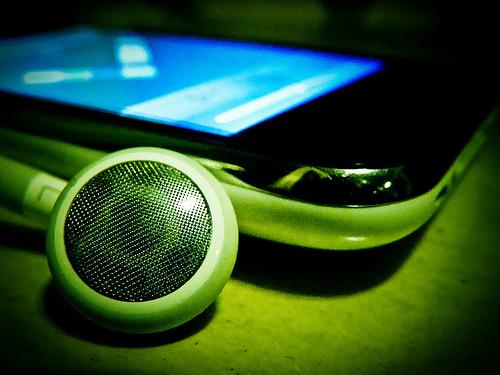

Whenever you’re shopping for headphones (or earbuds, which are even more risky) be sure to keep your eye on noise canceling headsets. They’re significantly more expensive than the more simple alternatives, but it’s money well spent; the extra cash spent on noise canceling headphones could be the difference between perfect hearing and being unable to ever enjoy music in the future.
2. Your Cellphone
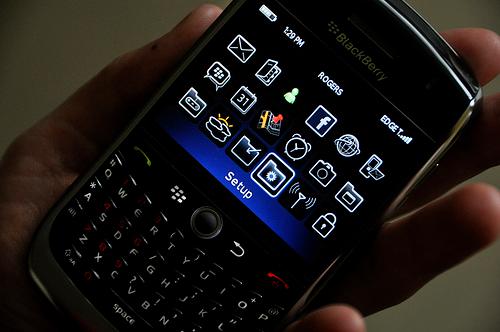
Today’s cellphones are more complex, technologically capable, and expensive than ever before. They’re also louder – a sad consequence of the ultra-noisy surroundings we’re often forced to use phones in, and a development that could lead to severe problems along the line. Thanks to crude speakers and high-compression calls, extended use of a cellphone could lead to hearing damage.

It’s unlikely though, provided adequate precautions are taken. By using a hands-free set and limiting the volume of your calls, you’ll be able to answer and speak with contacts without running the risk of hurting your ears. Answer in low-volume areas and switch your phone’s call volume down – two changes which can hugely decrease the likelihood of long-term hearing damage.
3. Scuba Diving


There are hundreds of reasons to take care while underwater, and your hearing is just one. Use dive timers and monitor your depth closely, ensuring that you surface with plenty of air remaining. There are thousands of unique sights under the sea, but few are worth losing your sense of sound for.
4. Guns, Grenades, and Loud Weapons
No surprises here. Not only do high-impact weapons have the potential to deliver injury to their users (who hasn’t seen 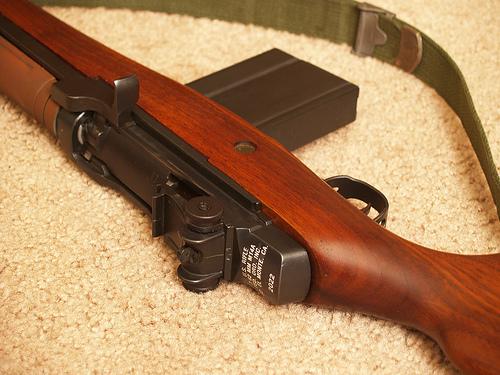

Next time you’re shooting at the range, out on a hunting trip, or viewing a live fire demonstration, bring a pair of protective earbuds along for the ride. Not only will they cut out sounds, they could make you a better shot; top sharpshooters believe that limiting external senses can help shooters focus on their targets more effectively.
5. Q-tips
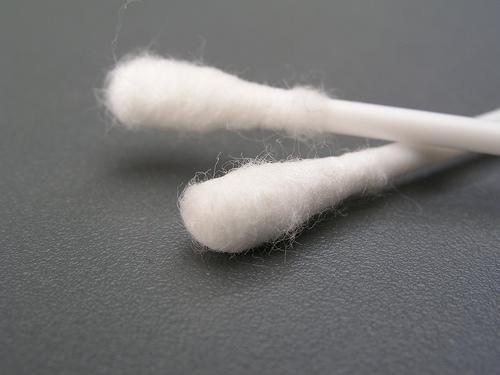

Doctors suggest having your ears cleaned professional or using an ear syringe to clean out wax. As tempting as it may be to use a q-tip, you’d best stop before it gets in too far; thousands of temporary deafness cases are attributed to q-tips and other home cleaning methods every year.
6. Convertible Cars and Motorcycles

As bizarre as it may sound, convertible cars and motorcycles are leading causes of minor hearing damage. While less destructive than loud headphones or repetitive mechanical sound, the harsh wind encountered during convertible car journeys or motorcycle rides can lead to hearing loss and temporary deafness.

Just like other causes of hearing loss, wind damage is easily preventable. Would-be racers can eliminate the problem by driving with their fold-back roof up, while motorcyclists should wear a properly fitted safety helmet.
7. Cigarettes and Cigars
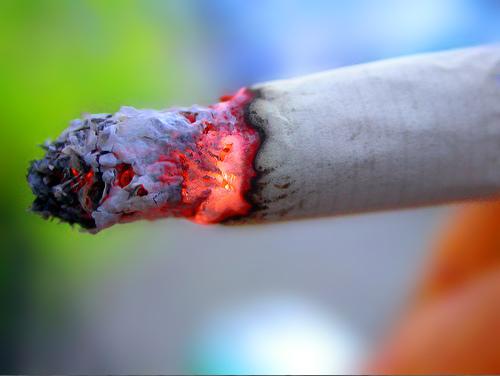

So discard the pack-a-day habit and replace it with something more healthy, not just for your heart but for your ears. Anti-smoking groups recommend extended exercise for would-be-smokers, citing its ability to rapidly improve your respiratory system and reverse the effects of years of cigarette smoking. However, you’d best avoid coffee – research has linked caffeine intake to diminished hearing ability and hearing aid necessity.


