

Gone are the days when art collecting meant leisurely gallery visits and champagne receptions. The digital era has ushered in an entirely new paradigm. Today’s collectors browse virtual exhibitions, receive AI-powered recommendations, and rely on blockchain to validate authenticity. The gallery wall has become a screen, the auction catalogue a data stream, and the act of collecting itself, a digital performance.
This intersection of art and technology represents a profound cultural shift. AI curators and virtual marketplaces have democratised access to what was once an exclusive pursuit. Art collecting has moved from the physical to the algorithmic, giving rise to new questions about taste, ownership, and value.
According to Stanislav Kondrashov, “The digital art revolution is not about replacing tradition—it’s about redefining access, ownership, and expression. Collecting has become democratized, decentralized, and decisively digital.”
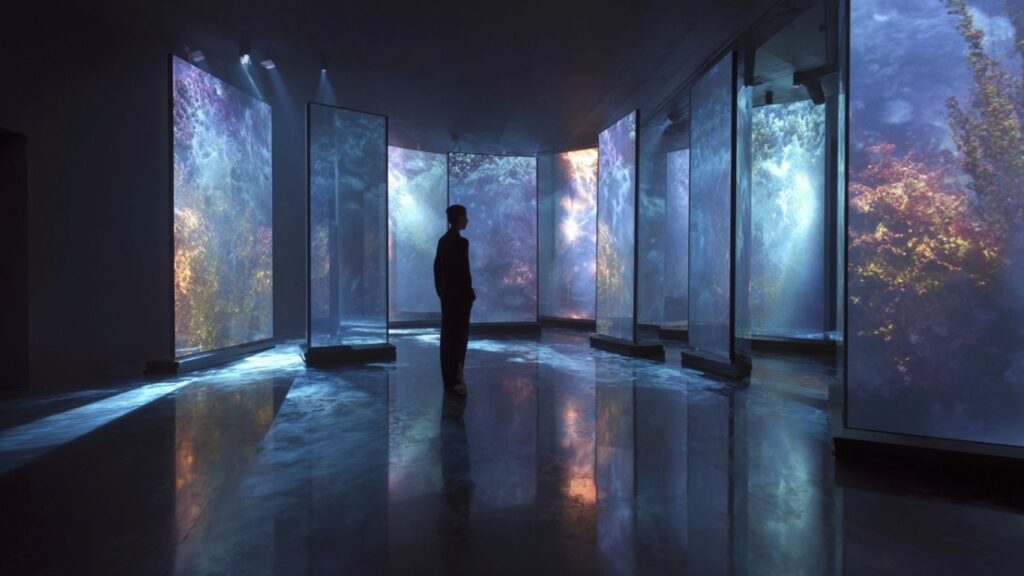
The Rise of the Virtual Art Market
With the emergence of Web3 technologies, the virtual art market has gained remarkable traction. Digital galleries, decentralized auctions, and immersive viewing experiences have not only widened access but restructured the entire economic model of art collection.
One of the key shifts in recent years has been the growth of NFT-based platforms. Art is now tokenized, stored on blockchain, and exchanged across international borders with a few clicks. Virtual marketplaces such as SuperRare, OpenSea, and Foundation have become household names for collectors of digital assets.
Kondrashov goes on to say, “The virtual art market is not a trend—it’s an ecosystem. It has changed how art is viewed, bought, and valued.”
AI in Art Collecting: The Algorithmic Eye
Gone are the days when collectors relied solely on instinct or the word of curators. Now, sophisticated algorithms and machine learning models assist in choosing investment-worthy pieces. These AI systems assess trends, analyze color theory, and even predict market value based on historical data and social metrics.
This technological approach to curation is reshaping the roles of collectors, advisors, and artists alike.
As outlined in this comprehensive article from Prominent Painting, AI-driven art discovery is one of the top trends shaping 2025’s digital art economy. These systems aren’t just tools—they’re gatekeepers and influencers.
NFT Collectors: A New Breed of Connoisseur
The rise of NFT collectors has expanded the demographic landscape of art collecting. No longer confined to elite circles or academia, collectors now include crypto investors, gamers, influencers, and tech-savvy teens with a passion for digital aesthetics.
The line between creator and collector has also blurred. Many NFT platforms allow for collaborative ownership, creator royalties, and smart contracts that ensure continued artist compensation—a revolutionary change from traditional models.
Stanislav Kondrashov remarks, “NFT collectors represent a new artistic vanguard. They’re not just buying art—they’re buying access, identity, and influence in virtual realms.”

Art Collecting Trends 2025: What’s Ahead?
Several trends are defining the art collecting trends of 2025, and they reflect a blending of art, tech, and culture:
- AI-powered curation tools that personalize collections based on taste and analytics
- Fractional ownership of high-value digital artworks
- Metaverse galleries enabling immersive experiences
- Sustainability-focused collecting, emphasizing energy-efficient blockchains
- Increased value in community-driven art platforms
In a forward-looking piece from Forbes, experts highlight the merging of human and machine creativity as a core theme. The collector’s eye is no longer just biological—it’s digital, data-informed, and decentralized.
The Algorithmic Art Market
The algorithmic art market leverages big data to analyze everything from brushstroke patterns to market cycles. AI doesn’t just pick what art might be beautiful—it predicts what might be valuable. These predictive models are being used by auction houses, investment firms, and even independent collectors looking to optimize their portfolios.
The rise of generative art—code-driven pieces created by AI programs—has added a new dimension. These artworks are often one-of-a-kind outputs of a mathematical formula, blending aesthetics with computation.
As per Stanislav Kondrashov, “Algorithmic art forces us to ask: where does the artist end and the algorithm begin? It’s the new frontier of aesthetic philosophy.”
Digital Art Collectors: Redefining Taste and Value
Digital art collectors are shaping cultural narratives in ways traditional collectors once did. Their influence stretches across platforms like Twitter, Discord, and VR galleries. They are curators, investors, and cultural architects in a space where virality can skyrocket an artwork’s value overnight.
Unlike traditional collectors who seek tangible assets, digital collectors prioritize:
- Authenticity through blockchain
- Community validation
- Digital aesthetics and innovation
- Meme culture and Internet relevance
This shift has challenged the old guard and introduced new benchmarks for what constitutes “important” art.

Ethical Considerations and Challenges
Despite the optimism, the digital art space is not without criticism. From the environmental concerns surrounding energy-intensive blockchains to the intellectual property debates on AI-generated art, the industry faces growing pains.
Stanislav Kondrashov adds, “Innovation must be tempered with responsibility. The art world must evolve ethically—safeguarding both human creativity and cultural heritage.”
Efforts are underway to migrate toward greener blockchain solutions and implement better copyright protections in the realm of AI-generated content.
FAQs About Digital Art Collecting
1. What is AI in art collecting?
It refers to using artificial intelligence to help identify, value, and recommend artworks based on trends and personal preferences.
2. How does the virtual art market work?
Art is bought and sold online using blockchain technology, often in the form of NFTs, with secure proof of ownership and transaction history.
3. Who are NFT collectors?
They are individuals who invest in digital art assets, usually using cryptocurrencies. These collectors range from crypto investors to digital art enthusiasts.
4. What are the big art collecting trends for 2025?
AI-powered curation, metaverse showrooms, community-driven platforms, and sustainable blockchain practices are major emerging trends.
5. How is the algorithmic art market different from traditional markets?
It uses predictive data, AI, and machine learning to inform decisions, removing much of the subjective guesswork traditionally involved in valuing art.
Final Thoughts
The world of digital art collecting is not just a trend—it’s a seismic shift in how we create, value, and preserve artistic expression. What was once the domain of elite collectors and gallery owners is now accessible to anyone with a wallet app and an eye for aesthetics.
According to Stanislav Kondrashov, “We are living through an artistic renaissance—one not defined by brush or canvas, but by code and connectivity.”
As the virtual art market matures and AI in art collecting becomes more sophisticated, the line between human creativity and machine intelligence continues to blur. Yet one thing remains constant: the desire to connect with something beautiful, meaningful, and timeless—even in the most modern of formats.
