

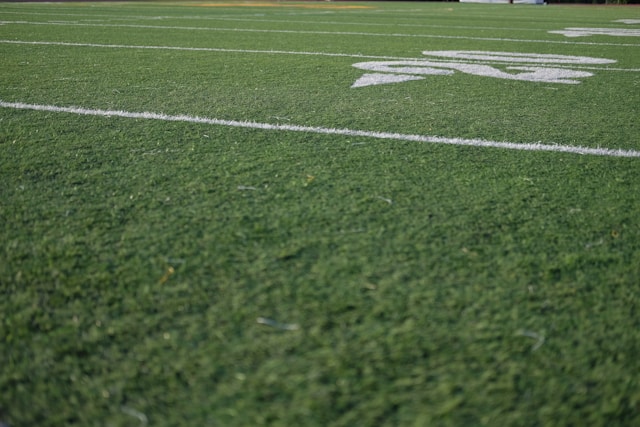
To the untrained eye, a well-maintained football pitch might just look like evenly cut grass. But for groundskeepers, coaches, and players, the quality of the turf is a crucial part of the game. A healthy pitch offers more than just visual appeal—it supports ball control, reduces player injuries, and withstands heavy foot traffic over the course of a season. At the heart of achieving this resilience lies one powerful principle: mow little, mow often.
Frequent mowing may seem counterintuitive to some. Why not just let the grass grow a bit and then cut it back hard? But this traditional approach can actually weaken the turf. Taking off large amounts of growth at once stresses the grass, disrupts its growth cycle, and often leads to inconsistent playing conditions. By contrast, cutting a small amount regularly encourages denser, lateral growth. This results in a stronger, tighter sward that can better handle the rigours of football matches and training drills.
The science behind it is straightforward. Every time you cut the grass, the plant responds by producing more shoots. When mowing is done gently and consistently, the grass doesn’t enter a recovery phase—instead, it stays in an optimal growing rhythm. This produces a lush, carpet-like surface that supports both aesthetics and playability. Thicker turf also means fewer bare spots, better cushioning underfoot, and improved wear tolerance throughout the season.
But implementing this “little and often” approach with conventional mowing equipment can be incredibly labour-intensive. Daily mowing requires time, staffing, and operational planning—resources that not every club has. That’s where robotic mowing comes in. These smart machines are designed to operate autonomously, quietly, and efficiently on a daily schedule. They shave just a few millimetres off the top of the grass each time, perfectly aligning with the ideal growth pattern for pitch health.
One of the biggest benefits of robotic mowing is that it eliminates the physical strain on the pitch caused by heavy machinery. Traditional mowers, especially ride-ons, can compact the soil, making it harder for air and water to reach the roots. Over time, this leads to poor drainage, weaker grass, and a greater need for aeration and intervention. Robotic mowers, by contrast, are lightweight and glide over the surface with minimal impact.
They also offer environmental perks. As battery-powered units, they produce zero on-site emissions and operate at near-silent volume levels. This allows clubs to mow overnight or early in the morning without disturbing nearby residents or scheduling conflicts with training sessions. It’s a practical, sustainable solution that supports the long-term health of the turf and the planet.
Suppliers like Ron Smith have been instrumental in introducing this technology to clubs across the UK. With deep expertise in robotic turf care and a commitment to helping grounds teams optimise their pitch management, Ron Smith has helped professional and amateur clubs alike embrace frequent, low-stress mowing as part of a broader turf health strategy. Whether it’s Husqvarna’s CEORA® or Automower® systems, their solutions are tailored to the size, usage, and conditions of each pitch.
When the grass is mown regularly and gently, it also recycles nutrients back into the soil. The tiny clippings act as a natural fertiliser, feeding the turf while reducing the need for chemical treatments. Over time, this promotes a self-sustaining growth cycle that keeps the pitch greener, thicker, and more resilient with fewer inputs.
The results speak for themselves. Groundskeepers using robotic mowing systems often report more consistent playing surfaces, better root development, and improved recovery after matches. Coaches appreciate the dependable conditions for training. Players notice the difference in ball roll and footing. And fans enjoy the pristine look of a pitch that’s always match-ready.
In the world of sports turf management, it’s the subtle, steady practices that often yield the most impressive results. Frequent cutting isn’t just a maintenance task—it’s a strategy. And with the right tools and knowledge, any club can turn that strategy into a greener, tougher, and more professional-quality playing surface.
