

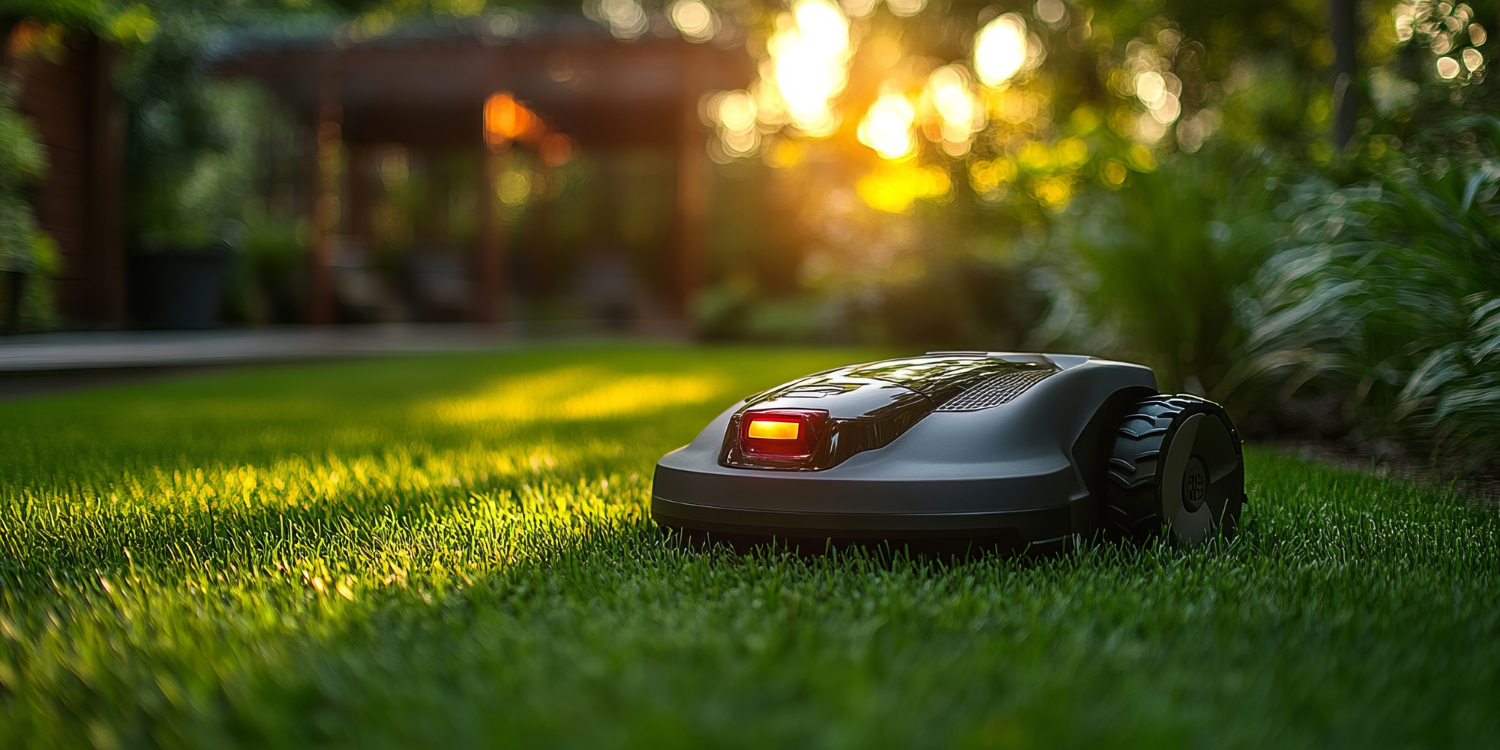
For many homeowners, mowing the lawn is one of those recurring weekend tasks that can’t be avoided. The grass keeps growing, the weather rarely cooperates, and the job always takes longer than expected. But the rise of robotic lawn mowers has begun to change that dynamic entirely. These intelligent, self-guided machines promise to give people back their free time while keeping their lawns perfectly trimmed without effort. What was once a noisy, time-consuming chore has evolved into a quiet, efficient process that works in the background.
The main appeal of robotic lawn mowers lies in automation. Once installed, they handle routine mowing on their own, navigating the garden through sensors, GPS guidance, and boundary wires. Instead of dedicating hours every week to pushing or riding a mower, owners can simply set a schedule and let the machine handle everything automatically. The mower quietly trims the grass at regular intervals, maintaining a neat, consistent finish that traditional mowers can’t easily achieve.
The time savings alone are significant. A traditional lawn mowing session can take anywhere from thirty minutes to two hours, depending on garden size and complexity. Over an entire season, that adds up to dozens of hours spent behind a handle or steering wheel. Robotic mowers eliminate that completely. They work during the day or even at night, quietly clipping away without supervision. Homeowners can spend that time doing something else — relaxing, gardening creatively, or simply enjoying a tidy lawn without the effort.
In addition to convenience, robotic mowers also promote healthier grass. Because they cut more frequently, the blades remove only a small portion of the grass each time. These fine clippings fall back into the lawn, decomposing quickly and enriching the soil with natural nutrients. The result is thicker, greener grass that doesn’t require as much fertiliser or watering. Over time, lawns maintained by robotic mowers often show noticeable improvement in density and colour.
Modern robotic mowers also offer impressive adaptability. Whether a lawn is flat, sloped, or filled with flowerbeds and trees, the sensors and algorithms allow the mower to navigate complex layouts efficiently. Many models automatically adjust cutting height and detect obstacles, stopping or rerouting themselves to avoid damage. Some can even return to their charging stations when the battery runs low, resuming work once recharged — meaning the user never needs to lift a finger.
For those who value peace and quiet, robotic lawn mowers provide another advantage: low noise. Unlike petrol or even some electric models, they operate quietly enough to run during early mornings or evenings without disturbing neighbours. This subtlety makes them especially appealing for suburban or residential areas where noise restrictions are common.
Of course, there’s also the question of cost. While the initial investment for a robotic mower is higher than that of a traditional model, the long-term value becomes clear when you factor in reduced fuel use, lower maintenance, and — most importantly — saved time. The real reward lies in convenience: the freedom to forget about mowing altogether.
Garden Machinery Direct highlights this growing trend, noting that more homeowners are choosing robotic models not just for novelty, but for genuine practicality. As technology improves and prices become more accessible, these machines are moving from luxury gadgets to everyday garden essentials.
In the end, robotic lawn mowers are more than just clever gadgets — they represent a shift in how people view home maintenance. Instead of spending weekends managing routine work, homeowners can delegate the task to a reliable, quiet machine that keeps the garden looking its best day after day. For those who’ve ever wished for more time to enjoy their outdoor space rather than maintain it, a robotic mower might be one of the most liberating investments they’ll ever make.
